Exploring the long-term trajectories of mountain systems across ecological and geological timescales.
The Mountain in Motion Initiative, lead by Suzette Flantua, and based at the Terrestrial Ecology Research group, Department of Biological Sciences and the Bjerknes Centre for Climate Research, University of Bergen (Norway) investigates the long-term trajectories of mountain systems. Our research operates at the interface of ecology, earth sciences, geography, glaciology and climatology, combining insights across the biosphere, cryosphere and geosphere.
A central goal of the initiative is to understand how mountain systems emerge, persist and transform through time. By integrating paleoecological records, ecological observations and advanced spatial modelling, we reconstruct past mountain environments (glaciers and ecosystems) and analyse the processes shaping biodiversity patterns across spatial and temporal scales. Using datasets from several mountain systems, including Scandinavia, the Andes, Himalaya and other regions, we examine long-term mountain ecosystem trajectories.
Our work places present-day environmental change within a deeper temporal perspective. Through global comparisons across mountain regions, we investigate how biodiversity, ecosystems and landscapes respond to climatic variability, environmental thresholds and long-term Earth system dynamics. This integrative perspective allows us to better understand the resilience, vulnerability and future trajectories of mountain ecosystems.
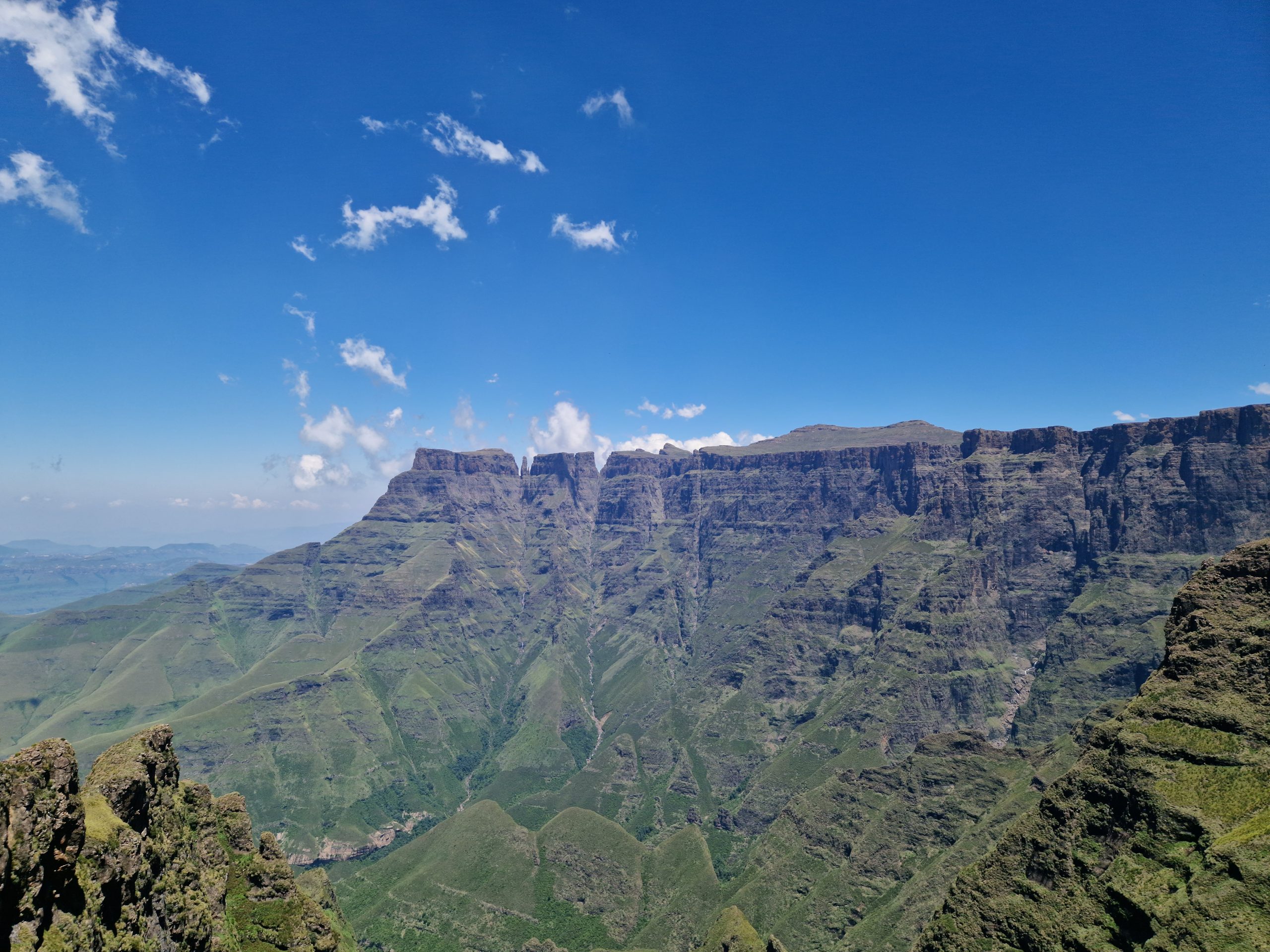
Mountains in Motion frames mountains as evolving Earth-system components, whose biodiversity, landscapes and climates are continuously reshaped across ecological and geological timescales.
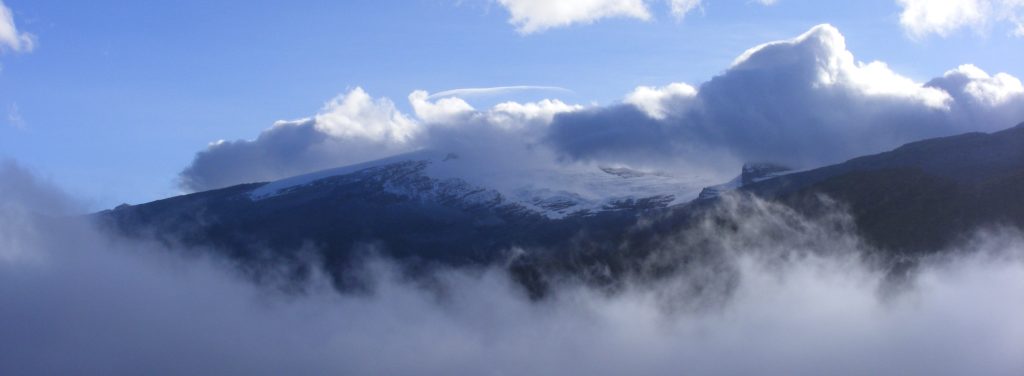
Cocuy National Park, Colombia. Credit: Suzette Flantua
The Mountain in Motion Initiative develops and applies large-scale datasets, spatial analyses and modelling approaches to address fundamental questions about mountain glacier dynamics, biodiversity and ecosystem functioning, and environmental change. Our projects span topics ranging from reconstructing past mountain landscapes to advanced glacier and biome modelling to analysing contemporary ecological dynamics across mountain systems worldwide.
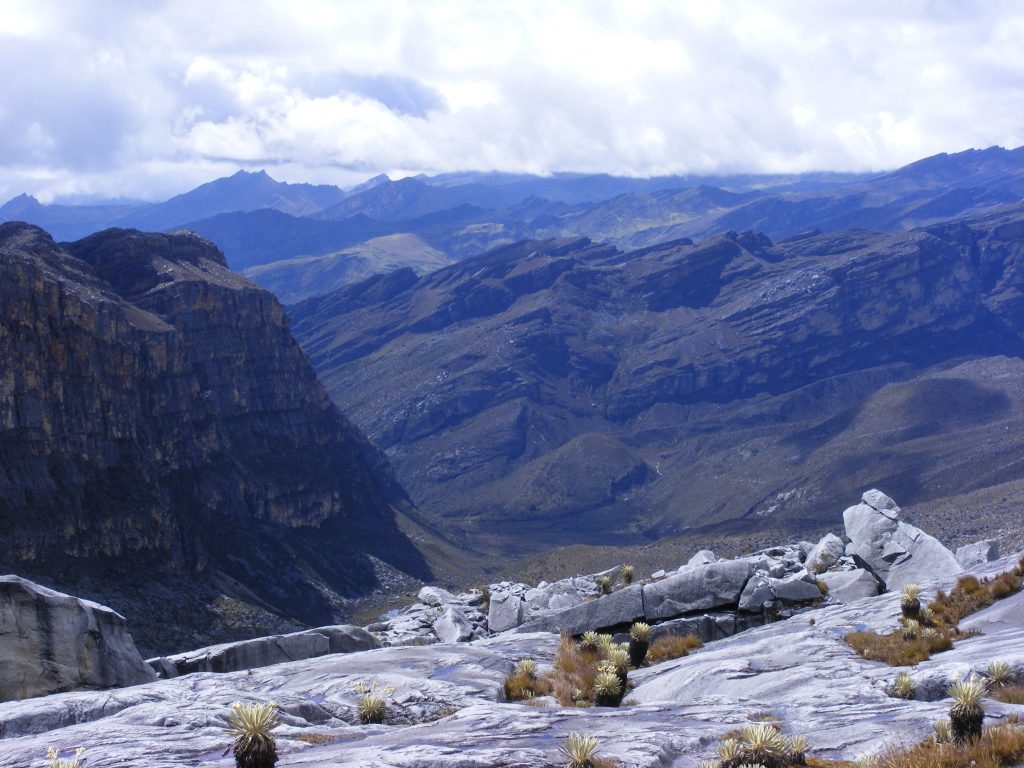
Chingaza National Park, Colombia. Credit: Suzette Flantua
Beyond research, we engage in education and outreach activities ranging from children’s books and public lectures to international conferences and field campaigns, with a strong focus on inclusive collaborations and positive scientific contributions across communities in and outside academia.
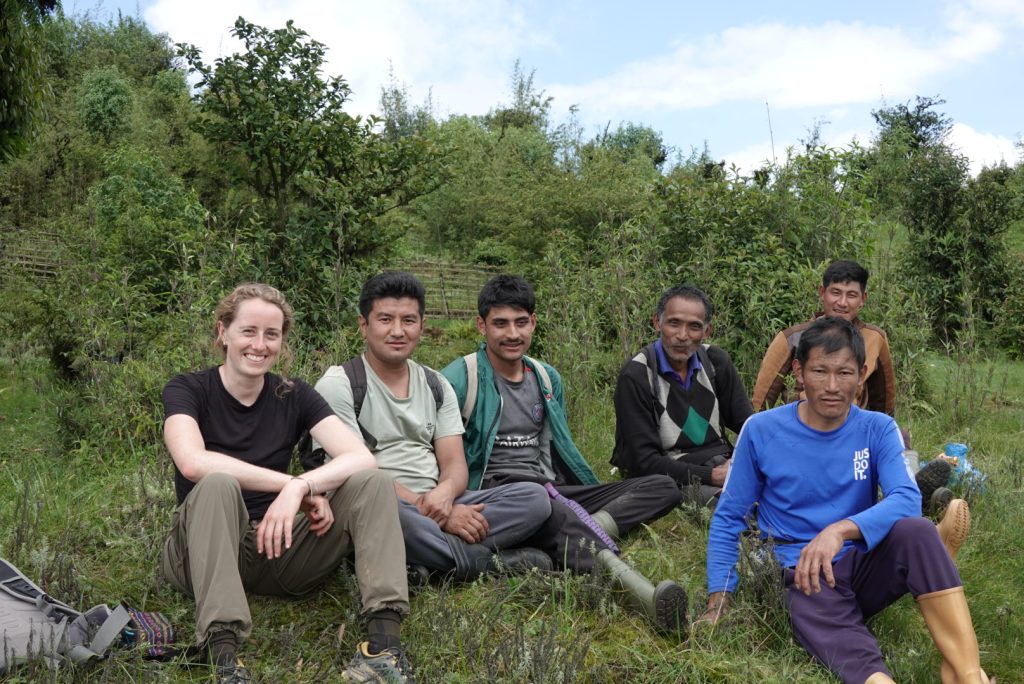
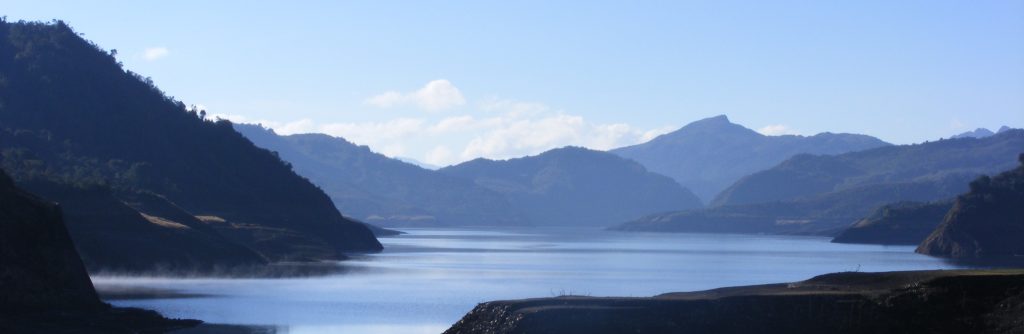
Community work on biodiversity and conservation in Nepal. Credits: Lotta Schultz
Key topics:
- long-term mountain trajectories
- paleoecological perspectives on mountain systems
- global comparisons across mountain regions
- mountain biome dynamics through time
Core research questions
The Mountains in Motion initiative seeks to understand how mountain systems evolve across ecological and geological timescales. Our research is guided by a set of fundamental questions:
- How do mountain biomes emerge, persist and reorganize through time?
- What long-term climatic and environmental processes shape mountain biodiversity patterns across regions?
- How have past environmental changes structured present-day mountain ecosystems?
- How do biodiversity, landscapes and climate interact across the biosphere, cryosphere and geosphere?
- What do long-term records reveal about the resilience and future trajectories of mountain systems under rapid global change?
Our approaches
To address these questions, we combine:
- Paleoecological reconstructions of mountain environments
- Large-scale biodiversity and environmental datasets
- Spatial modelling and geospatial analysis
- Comparative analyses across global mountain systems